
How Academic Research Is Helping Shape the Future of Shrewsbury Prison
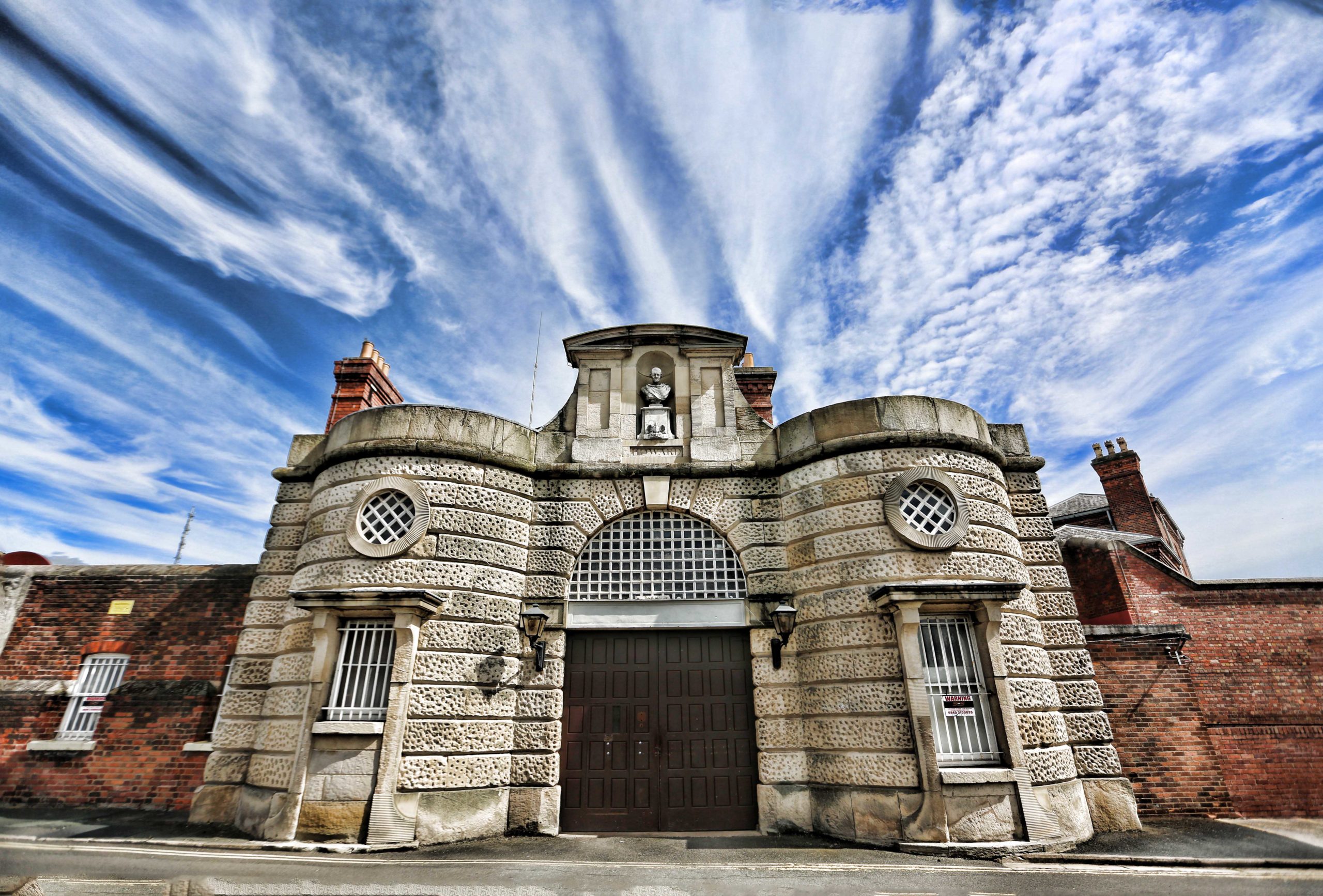
At Shrewsbury Prison, our mission has always been simple: Educate, entertain, and engage visitors through hands-on exploration, immersive experiences, and powerful storytelling. We preserve and share the prison’s rich history while delivering high quality, emotionally resonant experiences that connect the past to the present.
Since opening as a visitor attraction, hundreds of thousands of people have walked through our gates. Every visitor brings a different perspective, and every year our understanding of the prison’s history continues to grow through new research, new discoveries and new conversations.
Recently, Shrewsbury Prison became the subject of a peer-reviewed academic study by researchers from the University of Leeds, Birmingham City University and the University of Sunderland.
The research examined how former prisons present stories of crime, punishment, justice and incarceration, while exploring the important role heritage attractions play in helping visitors understand both the past and the present.
We are incredibly proud that Shrewsbury Prison was chosen for this work.
One of the most valuable aspects of independent research is that it doesn’t simply celebrate what exists today; it asks how heritage attractions can become even better.
Many of the themes explored within the paper reflect conversations we have already been having internally, reinforcing the direction in which Shrewsbury Prison continues to develop.
Over the past two years we have significantly expanded our educational offer, welcoming thousands of school pupils through our Education Behind Bars programme and working with teachers to connect prison history with wider discussions around justice, society and citizenship.
At the same time, we have continued investing in how visitors experience the prison.
Over the coming months, visitors will begin to see a number of developments across the site, including:
- New audio guides providing deeper historical interpretation throughout the prison.
- Expanded interpretation exploring the stories of prisoners, prison officers, families and daily life inside the prison.
- Greater historical context connecting Victorian imprisonment with today’s justice system, rehabilitation and wider social history.
- Continued development of our educational resources for schools, colleges and universities.
- Ongoing collaboration with historians, academics and heritage specialists to ensure our interpretation continues to evolve.
Heritage should never be considered “finished.”
As new research emerges, so too should the stories we tell and the way we share them with our visitors. Every generation asks different questions about the past, and every new piece of research helps us understand these extraordinary buildings in greater depth.
That continual evolution is something we actively embrace.
Shrewsbury Prison is far more than a preserved Victorian building. It is a place where history, education, architecture, justice and human stories come together.
We are committed to ensuring that every visitor leaves with not only a fascinating insight into prison life, but also a deeper understanding of how the justice system has changed over time and the important conversations that continue today.
We would like to thank Professor Christiana Gregoriou (University of Leeds), Professor George S. Larke-Walsh (University of Sunderland) and Associate Professor Adam Lynes (Birmingham City University) for selecting Shrewsbury Prison for their research and for contributing to the ongoing conversation about how Britain’s prison heritage should be interpreted.
“History is never complete. Neither is our commitment to preserving, interpreting and sharing it in ways that continue to educate, inspire and encourage conversation.”
Read the Research
The peer-reviewed paper that inspired this article can be accessed here: Gregoriou, C., Larke-Walsh, G.S. & Lynes, A. (2026). On the afterlives of incarceration: An interdisciplinary examination of narrative construction at Shrewsbury Prison Museum, UK. Crime, Media, Culture.
The paper represents the independent views of its authors. We welcome academic research and believe it plays an important role in helping heritage attractions continually improve.
Read More
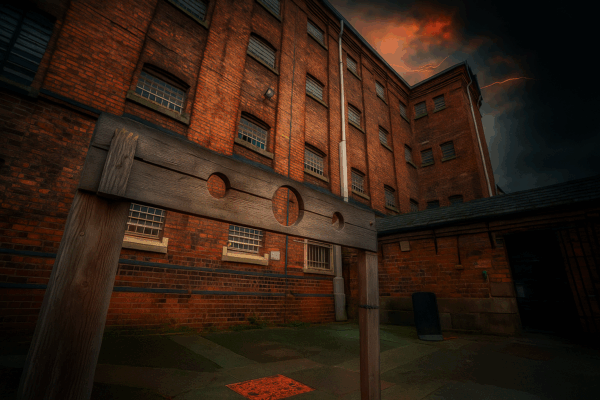
Discover ghostly tales, follow a trick or treat trail and dance your bones off behind bars
8th October 2026Your Halloween Sentence is to Dance For something a little different this Halloween, swap the usual night out for a night behind bars. On 31 October, Shrewsbury Prison opens its doors after dark for a Halloween Silent Disco, with three music channels to choose from, roaming scare actors, a fancy-dress competition and plenty of Halloween […]
Read Article
Teachers’ Treat: Enjoy 25% Off at Shrewsbury Prison This Summer
21st July 2026Teachers, the summer holidays have arrived – and we think you’ve earned a day out of your own. Enjoy 25% off full-price Prison Entry, Guided Tours and activities at Shrewsbury Prison for visits up to and including 1 September 2026.* How to Claim Your 25% Discount To receive your discount code, email [email protected] using your […]
Read Article
Children go free at Shrewsbury Prison this summer
10th July 2026Families looking for a different day out during the school holidays can visit Shrewsbury Prison this summer with children receiving free entry as part of the attraction’s Summer Family Offer: Kids Go Free & Eat Free. Available until 1 September 2026, the offer allows up to two children aged 5–15 to receive free Prison Entry […]
Read Article




 01743 343 100