
Capital Punishment Exhibit Opens at Shrewsbury Prison
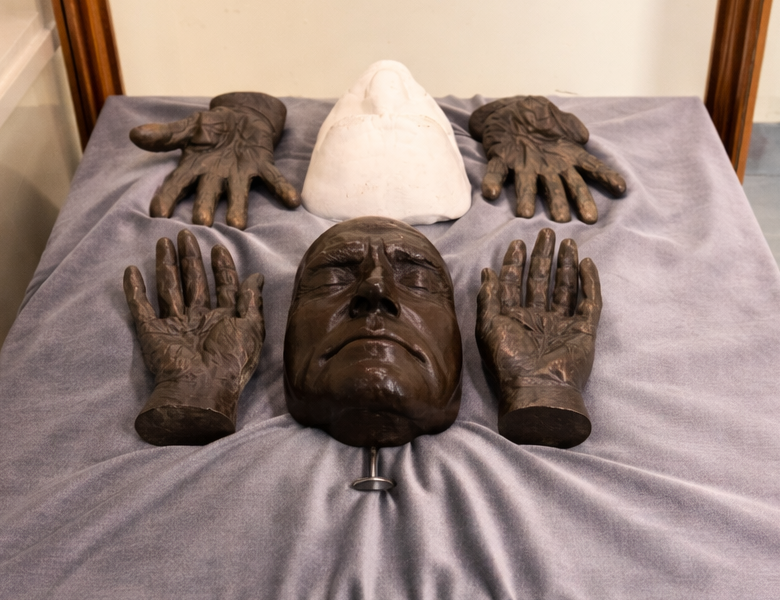
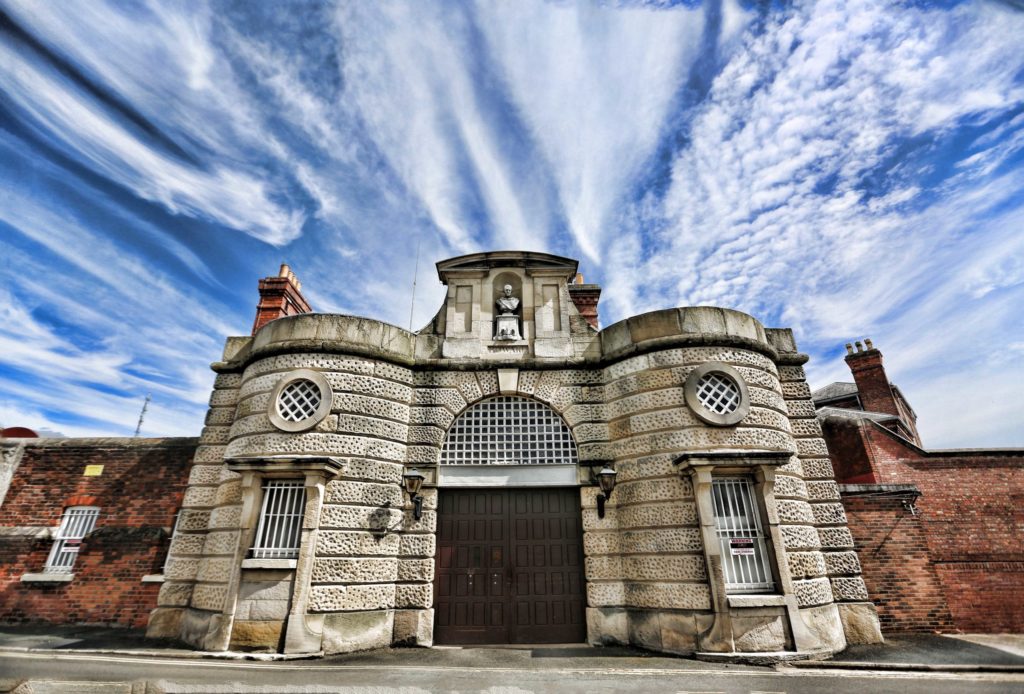
A new Capital Punishment Exhibit has opened at Shrewsbury Prison, offering visitors a rare and thought-provoking look at one of the most challenging chapters in Britain’s justice system.
The exhibit is free to enter and open to the public, with access via the prison café, no attraction ticket required.
A rare opportunity to see original execution artefacts
At the heart of the exhibit are two exceptionally rare and significant objects connected to Britain’s most well-known executioners.
On display are the life mask and hands of Albert Pierrepoint, cast in bronze, alongside is the life mask and hands of Harry Robinson, another senior executioner of the era. These objects were created for official record-keeping and study, and have never previously been displayed to the public.
Their presence offers a stark, human counterpoint to the paperwork and procedures surrounding capital punishment, reminding visitors that executions were carried out not by an abstract system, but by individuals working within it.
Albert Pierrepoint and the machinery of execution
Albert Pierrepoint was Britain’s most prolific executioner, carrying out hundreds of executions during his career in the mid-20th century. He was responsible for executing some of the country’s most notorious criminals, as well as individuals convicted under laws that would later be questioned or overturned.
Pierrepoint saw himself as a professional fulfilling the sentence of the court, and his writings reveal a man deeply embedded in the routines and structures of the justice system. His career, and his eventual doubts about the deterrent value of execution reflect the wider national shift in attitudes that would lead to the suspension of capital punishment in 1965 and its abolition soon after.
Looking beyond spectacle
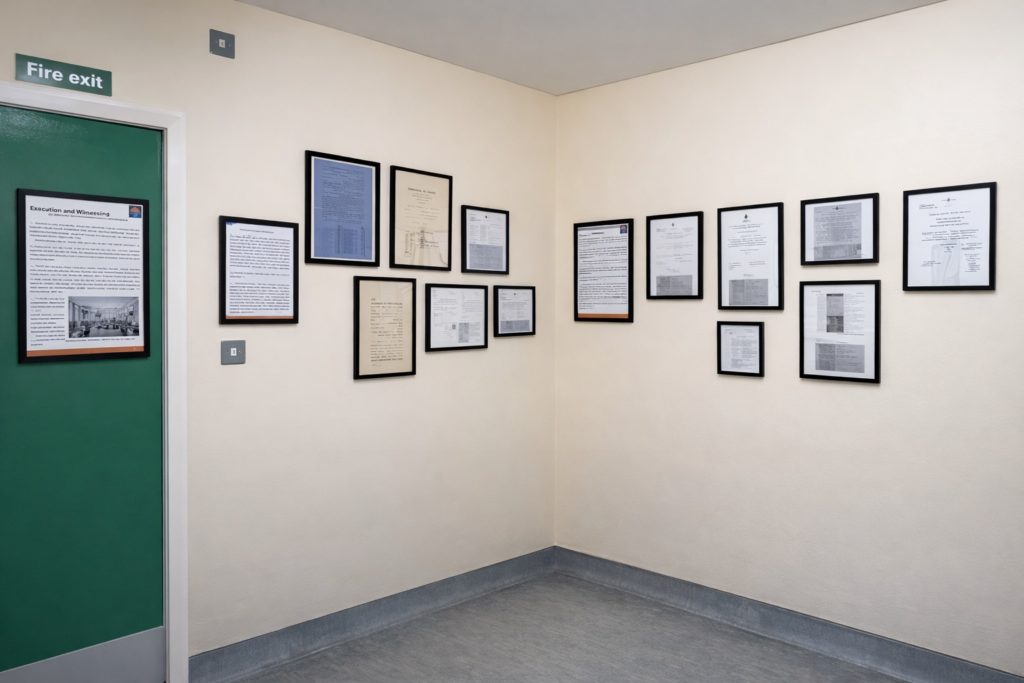
The Capital Punishment Exhibit avoids sensationalism. Instead, it focuses on how capital punishment functioned as a system: the legal framework that authorised it, the correspondence that arranged it, and the routines that made it part of everyday prison administration.
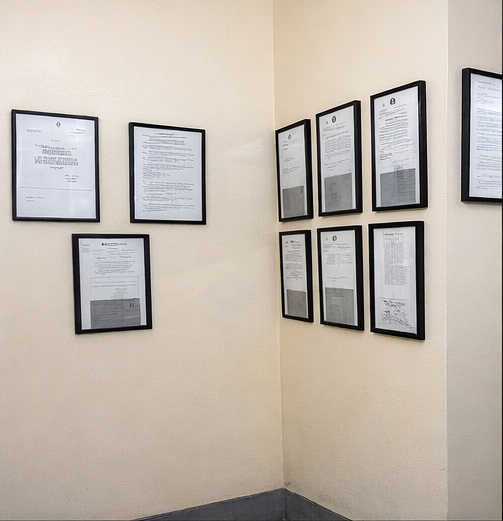
Original documents, letters between officials, and carefully selected artefacts show how executions were planned, recorded, and carried out with bureaucratic precision. The result is a quiet but powerful insight into how deeply capital punishment was once embedded in British institutional life.
Why see it at Shrewsbury Prison?
Displayed within the walls of a former working prison, the exhibit gains an added sense of weight and authenticity. Seeing these objects and records in the environment where punishment was enforced brings history into sharp focus and encourages reflection on justice, responsibility, and social change.
Free access via the café
- Free to enter
- No prison ticket required
- Accessed via the Shrewsbury Prison café
- Visitors are welcome to explore the exhibit on its own, or choose to purchase tickets to access the wider prison site and experiences.
Getting here
- On-site parking available (charges apply)
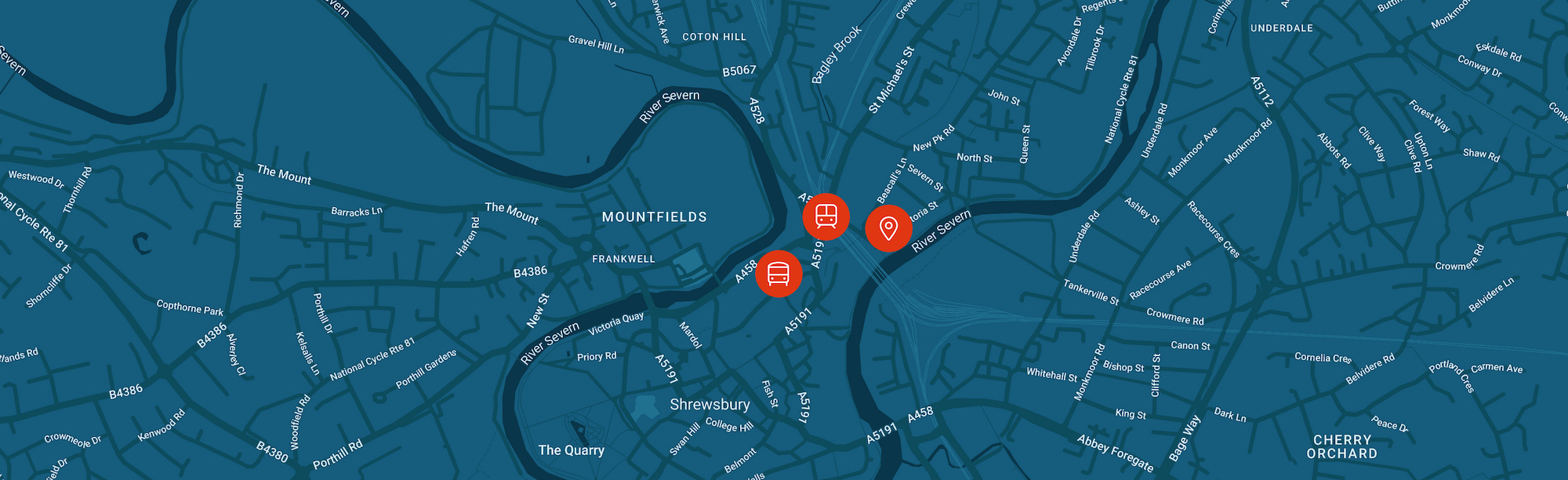
- Easily accessible on foot from Shrewsbury town centre
Whether you’re interested in legal history, social change, or the realities of historic prisons, the Capital Punishment Exhibit offers a rare opportunity to engage with a powerful and often unseen part of Britain’s past, right in the heart of Shrewsbury.
Read More
Teachers’ Treat: Enjoy 25% Off at Shrewsbury Prison This Summer
21st July 2026Teachers, the summer holidays have arrived – and we think you’ve earned a day out of your own. Enjoy 25% off full-price Prison Entry, Guided Tours and activities at Shrewsbury Prison for visits up to and including 1 September 2026.* How to Claim Your 25% Discount To receive your discount code, email [email protected] using your […]
Read Article
Children go free at Shrewsbury Prison this summer
10th July 2026Families looking for a different day out during the school holidays can visit Shrewsbury Prison this summer with children receiving free entry as part of the attraction’s Summer Family Offer: Kids Go Free & Eat Free. Available until 1 September 2026, the offer allows up to two children aged 5–15 to receive free Prison Entry […]
Read Article
Escape May Half Term at Shrewsbury Prison
3rd April 2026If you’re looking for something a little out of the ordinary this school holiday, Shrewsbury Prison offers a day out that blends history with hands-on experiences. Set within a former Victorian prison, it’s a place where families can explore, learn, and try something a bit different together. From 23rd to 31st May 2026, a seasonal […]
Read Article



 01743 343 100